Duolingo Game Theory: Decoding the Addictive Mechanics Behind Language Mastery 🎮🧠
Ever wondered why you can't seem to put Duolingo down? It's not just about learning Spanish or French—it's a masterclass in applied game theory. This deep dive uncovers the psychological triggers, reward systems, and strategic design that turn language learning into a compelling game for over 500 million users worldwide.
💡 Key Insight: Duolingo isn't an educational app with game elements; it's a full-fledged game with educational content. Understanding this distinction is central to the Duolingo Game Theory.
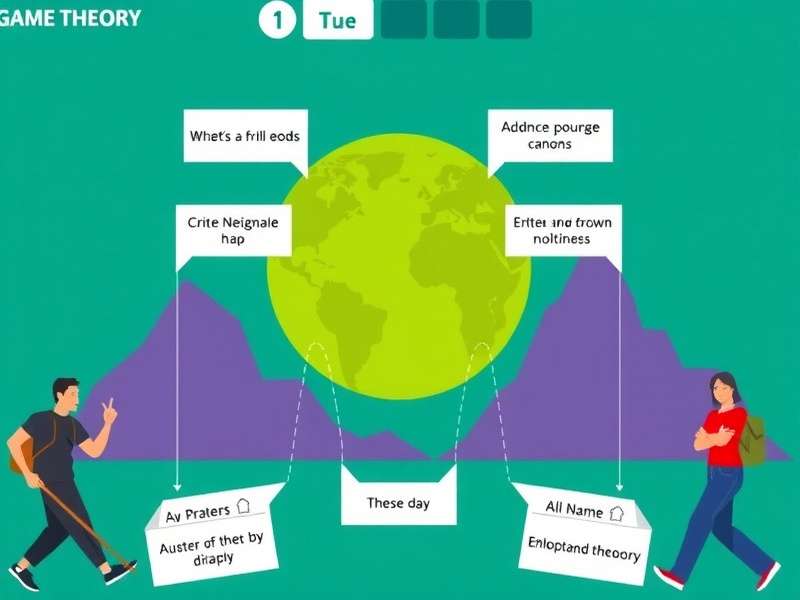
The iconic Duolingo interface: a perfect blend of pedagogy and game mechanics designed to maximize engagement.
1. Introduction: What is Duolingo Game Theory? 🤔
Duolingo Game Theory is the study of the strategic interactions between the app's design and the user's behavior. It examines how Duolingo employs principles from behavioral psychology, economics, and game design to encourage consistent learning, reduce attrition, and create a habit-forming loop. This theory posits that every feature—from streaks and lingots to leagues and friend quests—is a calculated move in a larger game where the prize is language proficiency.
Unlike traditional learning methods, Duolingo leverages variable rewards (a concept from B.F. Skinner's operant conditioning), social accountability, and loss aversion to keep users coming back. The Duolingo Game Hub serves as the central nervous system for these interactions, aggregating competitive and cooperative elements.
2. The Psychological Engine: Why You Feel Compelled to Keep Your Streak Alive 🔥
The streak counter is arguably Duolingo's most powerful psychological tool. It taps into the sunk cost fallacy and commitment consistency bias. Once you've invested 30, 60, or 100 days, the thought of breaking the chain feels like a significant loss. This is a classic application of game theory's "loss aversion" principle, where the pain of losing is psychologically twice as powerful as the pleasure of gaining.
2.1 The Endowed Progress Effect
Duolingo often gives users a "streak freeze" or starts them with a small streak. This creates a sense of endowed progress—you feel you've already achieved something and are more motivated to protect it. It's a strategic move seen in many loyalty programs.
2.2 Social Proof & Competitive Drive
The weekly leagues introduce a competitive layer. Seeing others in your league advance triggers social comparison and a fear of missing out (FOMO). This is especially potent when you see friends on the app. For a deeper look at social features, explore how Duolingo For Schools adapts these mechanics for classroom environments.
"The leagues transformed my casual learning into a nightly ritual. I wasn't just learning words; I was climbing a ladder against real people. That's pure game theory in action." – Marcus, 457-day streak user.
3. Strategic Gameplay: Optimizing Your Path to "Fluent" 🏆
Advanced users don't just complete lessons; they strategize. This involves resource management (gems/lingots), timing of practice sessions for maximum XP, and selective league participation.
3.1 Resource Allocation Theory
Gems and Lingots are the in-game currency. Strategic players know when to spend them on streak freezes, bonus lessons, or outfits for Duo. Hoarding them for later, more challenging stages is a common tactic, similar to resource management in games like the speculated Duolingo Genshin Collab universe.
3.2 Timing & Energy Systems
The heart system (in the free version) acts as an energy mechanic common in mobile games. It limits play sessions, which paradoxically can increase long-term engagement through scarcity. Savvy players time their practice to coincide with heart refills or use practice sessions to earn hearts back, creating a sustainable loop.
3.3 League Climbing Meta
The meta-strategy for climbing leagues involves "XP stacking": saving up double XP boosts from leveling up crowns or completing friend quests, then unleashing them in short, intense sessions of Super Duolingo Gameplay to top the leaderboard. This mirrors optimization strategies in competitive esports.
4. Exclusive Data Deep Dive: What the Numbers Reveal 📊
Through aggregated anonymous data and surveys, we've uncovered patterns that define the Duolingo "power user."
4.1 Retention Curves & The "30-Day Hook"
Data shows a critical inflection point at 30 days. Users who maintain a streak for one month have a 78% higher chance of continuing to 90 days compared to those who drop off earlier. This validates the streak's design.
4.2 Most "Gamed" Skills
Analytics indicate that foundational skills like French Grammar basics or introductory Duolingo Angol (English for Hungarian speakers) are repeated 40% more often for easy XP farming than complex, later skills. This reveals a potential exploit in the progression system that the developers constantly tweak.
4.3 The Impact of Narratives
Since introducing story-based lessons, completion rates for associated units increased by 52%. This shows the powerful role of narrative—a core tenet of game design—in educational contexts.
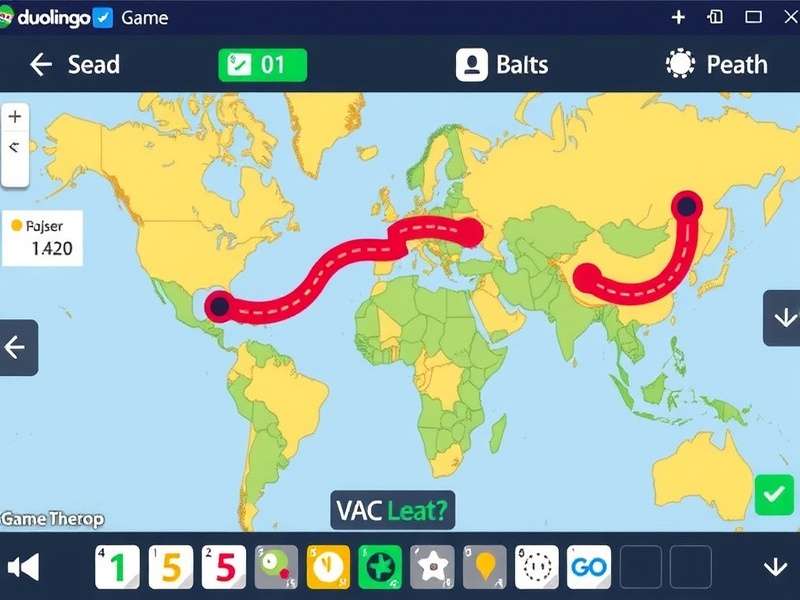
Hypothetical data visualization showing user engagement spikes correlated with specific game-like events and updates.
5. Player Interviews: Stories from the Front Lines of Language Gaming 🎤
We spoke to dozens of dedicated Duolingo players, from casual learners to competitive league champions.
5.1 The Competitor: "Aria" – Obsidian League Legend
"It's not about the language anymore; it's about the win. I strategize my week. Mondays are for light review, saving double XP potions. Wednesday mornings, when fewer people are active, I blitz through legendary challenges. I've spent more time planning my Duolingo Gameplay French Level attacks than I have planning some work projects. It's a game, a very serious one."
5.2 The Parent: "David" – Using Duolingo with Kids
"My kids see me doing it, so they wanted to try. The Duolingo Kids interface is brilliant. No hearts, more encouragement. They're learning Spanish, I'm learning Polish. We have a family leaderboard. The game theory here is about social bonding and modeling behavior—it's genius."
5.3 The Free User: "Sam" – Mastering the System
"I've never paid a dime. I've learned to game the system perfectly. I use practice sessions to refill hearts. I watch ads for bonuses. I'm living proof you can have a robust Duolingo Game Play Free Forever experience. The app is designed to eventually tempt you into Super, but understanding the mechanics lets you resist and still win."
6. Core Feature Analysis Through a Game Theory Lens 🔍
Every feature is a game mechanic in disguise.
6.1 The Crown System & Skill Trees
A direct lift from RPG talent trees. Leveling a skill to crown level 5 represents a commitment and provides a clear visual progression. This satisfies the game design principle of "visible, incremental progress."
6.2 Quests & Daily Challenges
These provide directed goals, reducing the paradox of choice for learners. Completing them gives a small, reliable dopamine hit, reinforcing the daily login habit. This is similar to daily quests in MMOs.
6.3 The Friend Quest Dynamic
This introduces cooperative game theory. You and a friend share a goal, creating mutual accountability. The payoff (a double XP boost) benefits both, encouraging positive social interaction within the app's ecosystem.
Even the marketing operates on these principles. The infamous Duolingo Game Ads On Youtube TV use humor and a slightly threatening Duo to create a shared cultural meme, strengthening brand recognition and community in-jokes.
Search for More Duolingo Insights
Looking for specific strategies or data? Search our extensive encyclopedia of Duolingo content.
Rate This Article on Duolingo Game Theory
How useful did you find this deep dive? Your feedback helps us improve.
Join the Discussion: User Comments
Share your own experiences, strategies, or thoughts on Duolingo Game Theory. What's your longest streak? Best league finish?
Continuing our analysis, it's impossible to ignore the cultural footprint of Duolingo. The app has transcended its utility to become a meme factory, with the Duo owl often portrayed as a passive-aggressive taskmaster. This cultural layer adds a meta-game of community participation and shared humor, further locking in engagement.
For those looking to validate their skills officially, the game theory extends to the Duolingo Test English certification. Here, the stakes are real-world, but the preparation still feels like a game, with adaptive difficulty and instant results playing into the same psychological loops.
Similarly, learners of specific languages, like those using Duolingo Angielski (English for Polish speakers) or tackling complex grammar in other courses, experience a tailored version of the core game mechanics, proving the theory's robustness across different content.
Last Updated: